
Olivia Richman is a seasoned esports journalist who has worked with Inven Global, Esports Illustrated, Esports.gg, and more. As an editor and writer at Esports Insider, she loves telling unique esports stories, especially within the FGC. When not working and gaming, Olivia loves collecting Kirby plush, eating sushi, and driving her cars at the track.
If you look at the top tier of competitive gaming, it feels like a total team sport monopoly. The biggest heavyweights in the industry pull in staggering numbers, and almost every single one of them relies on a full squad to get the job done.
Take a look at the viewership metrics. League of Legends racked up over 735 million hours watched in 2025 alone, while Counter-Strike 2 pushed past 584 million hours. The Cologne peaked at 2,752,353 viewers earlier this year, becoming the most-watched Counter-Strike tourney in history. Mobile Legends: Bang Bang casually dropped a massive peak of 5.6 million concurrent viewers during its championship cycle, and titles like VALORANT, Dota 2, and Rocket League regularly command massive broadcast footprints.
There is a very clear reason why team-based titles dominate the charts. They mimic traditional sports. You get to root for a club, buy into team rivalries, buy jersey merch, and watch insane five-man strategies come together in real time.
But in our obsession with team synergy, we are sleeping on the most raw, high-stakes form of competition in gaming: single-player esports.
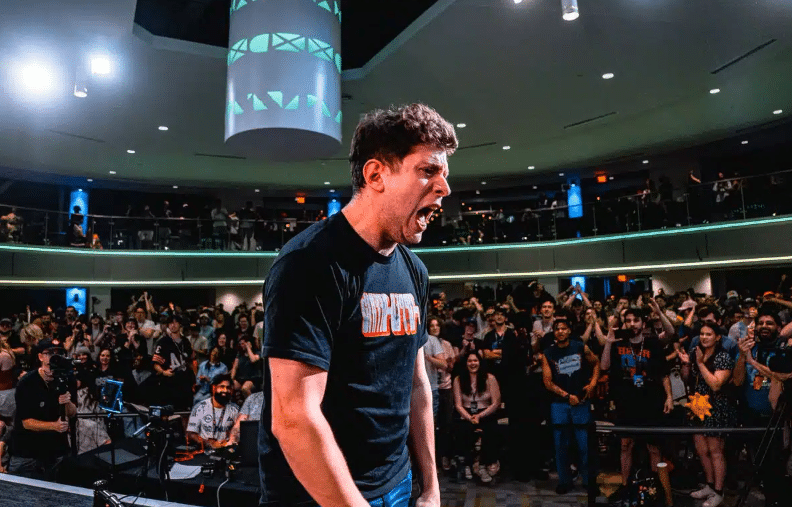
Image Credit: Legends LIVE When you step onto a stage in a 1v1 title or a solo speedrun, there is no safety net. There is no team captain to call a timeout, no teammate to trade a kill, and no bench player to swap in when you are having an off day.
It is just you, your opponent, and a screen.
That isolation creates an intensity that team games simply cannot replicate. Think about fighting games like Street Fighter, Tekken, or Super Smash Bros, or the high-stress world of competitive speedrunning.
Every single input is a high-wire act. When a player makes a mistake in a solo esport, they carry 100% of the blame. That single dropped combo or missed frame skip haunts them, and you can see the visible weight of it on their face in the player cam. That level of vulnerability makes the victories taste incredible and the defeats feel absolutely devastating.
While events like Evo and Combo Breaker showcase the passion and determination of these single player pros, I think of things like the Kemonomichi Legends LIVE that pitted Saul Leonardo “MenaRD” Mena II against Daigo Umehara . The Japanese fighting game fans took this very seriously, even comparing it to a sword fight to the death. Only one person comes out alive.
That is how serious the FGC gets. These two players trained for months before this, understanding the severity and importance of this first-to-ten event. During an interview, MenaRD told me: “It’s one of the most challenging things I’ve ever done . At the end of the day, it was really important because I wanted to be at a level that would challenge him and be worth his time. He was also preparing. It made me really happy that it was worth it.”
This is a totally different vibe from what you get in League of Legends or Call of Duty, with smoke billowing as players march onto the stage together, while the commentators scream as if they’re in a soccer broadcast… It’s wild and fun, but it’s not a fight to the death. It’s likely why th…