
Home Capital Raising & Corporate Finance COFO Era: Why a Risky, Rewarding Dual Role Is Taking Over the C-Suite
Finance leaders are taking over operations—and the new COFO role isn't a simple shortcut.
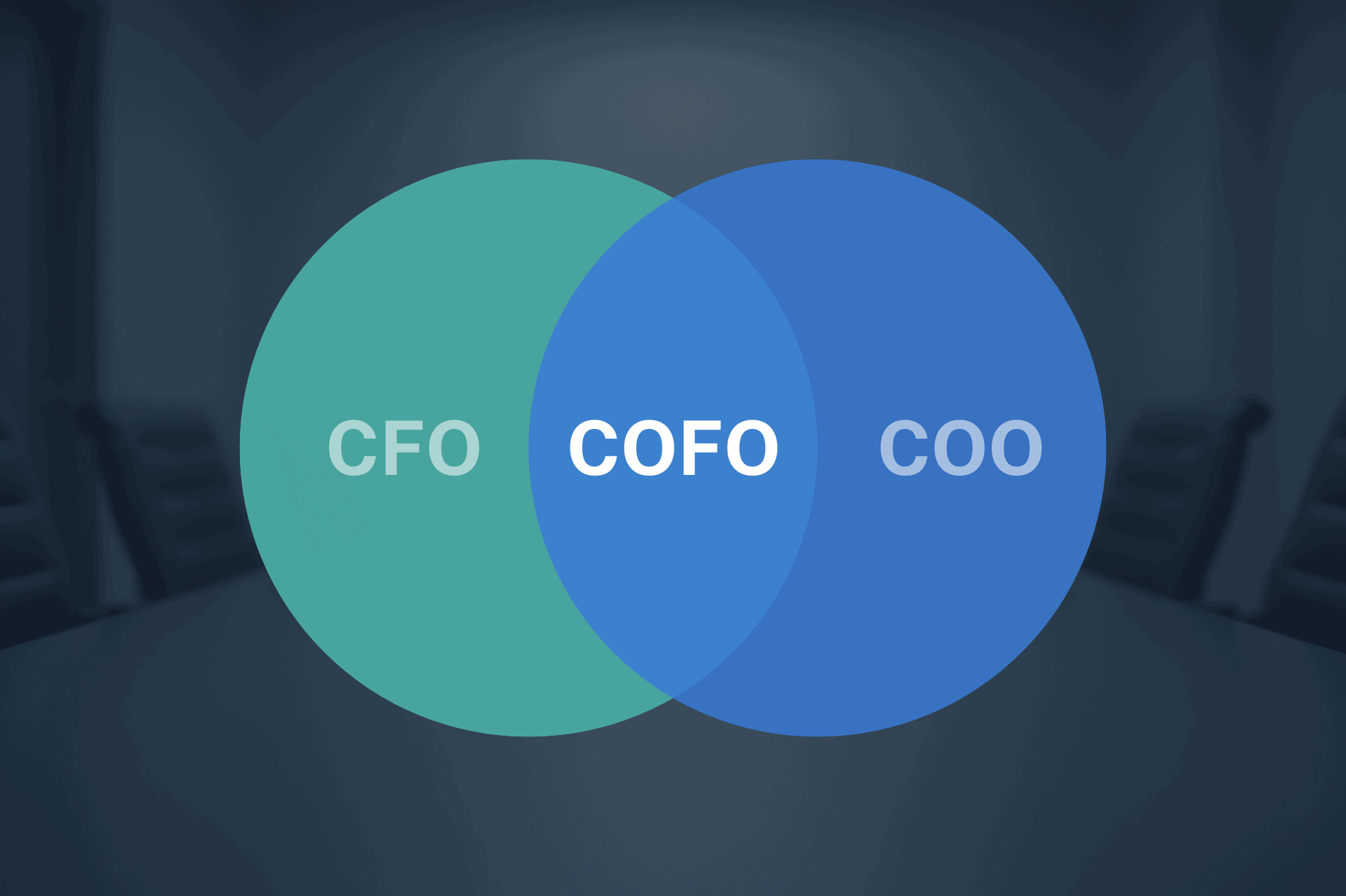
There’s a new acronym roaming the C-suite. The so-called COFO — a hybrid chief operating and financial officer — is more common than ever, marking a structural shift in how companies are deciding who runs the business. But the combined role is a risky one: it works far better going one direction than the other, industry watchers tell Global Finance .
Salesforce made it official last year. The San Francisco-based company named Robin Washington its first COFO — tasking a 30-year finance veteran with steering both the balance sheet and the company’s artificial intelligence (AI) and digital-labor transformation.
PayPal, headquartered in San Jose, California, took a similar route. The company expanded CFO Jamie Miller’s mandate to cover operations as well as finance, putting one executive in charge of the strategic growth initiatives that used to require two separate memos and a joint meeting to sort out. Two very different companies, same conclusion: the boss who understands the cash is likely the person who’s expected to move it.
While some observers view this trend as temporary, many industry leaders see the hybrid COFO as a permanent shift in corporate leadership.
“I do think this is a trend that’s here to stay,” said Jaylene Kunze, COFO at Portland, Oregon-based LegitScript, a risk management service.
For decades, the CFO and COO occupied a kind of awkward office marriage: sharing a roof, splitting the chores, occasionally blaming each other when the numbers didn’t add up.
“Historically, the CFO and COO were often set up to work against each other by default since each one’s success depended on the other, but neither had the full picture needed to make the best decisions for the company,” Kunze added.
That being said: Does the COO job disappear? Kunze calls “operational acumen and a real connection” to the business as “essential.” However, she argues the CFO seat has evolved past spreadsheets and GAAP.
“That’s exactly why the COFO role is emerging as such a powerful one,” she said. “It’s not enough to build the model; you must know what growth targets you’re driving toward and which levers to pull, when, and how.”
Executive coach Edith Hamilton, who works with CFOs and COOs at NEXT New Growth, noticed the same pattern.
“It’s not title inflation. It’s authority redistribution,” she said, pointing to AI-driven process change as a major accelerant. But the honeymoon, she warns, is short.
“The second emotion is, ‘Oh dear Lord, this is a whole new job.'” Boards, she added, flip the script overnight — from “protect the numbers” to “use your authority to change the business.”
Her verdict: durable, but not universal. “It will work in companies where finance and operations need to be welded together — not merely coordinated.”
Sierra Hinson has been living this arrangement for over a decade under various titles. Most recently, as a “fractional CFOO” through her firm, Additive Insights. Her reaction to the sudden buzz? “What took so long?” Splitting finance and operations creates blind spots and slows ever…