
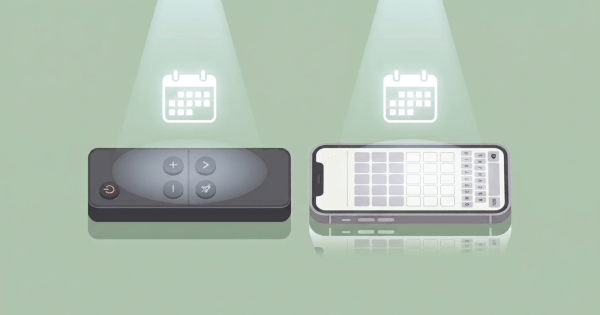
AI-generated image by Mark Stenberg via Google Gemini By Mark Stenberg --> This story was originally published in On Background with Mark Stenberg, a free, weekly newsletter that explores the key themes shaping the media industry. You can sign up for it here .
For nearly five years, Netflix has been trying to figure out what to do with video games.
It has cycled through mobile-only apps, a standalone gaming app built with white-label developers like Little Snack, and, as of the past year, a pivot toward streaming games directly to televisions, using subscribers’ phones as controllers.
None of these tactics, by its own admission , have become a meaningful part of the business.
Still, the persistence is telling. That Netflix has worked so diligently to crack gaming suggests that the streaming service understands that the offering could do something none of its prestige dramas can: turn a passive viewer into a repeat, daily visitor.
Until now, that bet has outpaced the technology required to make it work, but that may be changing.
Last week, LG announced a partnership with the cloud gaming startup Phynd that will let owners of LG smart TVs play free, console-quality games with no hardware, no subscription, and no purchase required, just a smart phone standing in as a controller.
The tie-up is a small, single-vendor deal, but it points to the growing belief among streaming platforms and TV manufacturers that two of the barriers that have historically kept casual audiences out of gaming—the cost of the experience and the equipment—might finally be falling away at the same time.
“What we are going for with Phynd is to be the first to offer PC or console quality through the cloud,” said founder and CEO André Swanston. “This is the full, premium, large-screen version of games for free.”
The company plans to monetize the games through brief pre-roll ad breaks and sponsored in-game rewards rather than mid-session interruptions. The strategy reflects a version of a thesis that an EA executive shared with me in June , which is that gamers, using their phone as a controller rather than a distraction, represent an unusually captive audience for advertisers.
Netflix is making a version of the same bet. Its shift toward cloud-first, television-based gaming, announced by co-CEO Greg Peters in October and fleshed out with technical specifics in January, rests on two tenets: phones as controllers, and no added cost beyond a subscription members already pay for.
FOR Scoops, Sharp Analysis, and Insider Context
By submitting your email, you agree to our Terms of Use and Privacy Policy . You may opt-out anytime by clicking ‘unsubscribe’ from the newsletter or from your account.
The most visible instance of this new strategy debuted in June, when Netflix partnered with FIFA to release FIFA World Cup: Launch Edition, a cloud-based version of its digital soccer game.
The goal of the tie-up was to reach a mainstream audience that might never have considered themselves gamers before, according to Christian Volk, the director of gaming and esports partnerships at FIFA.
“Our Netflix experience is intentionally built around accessibility, immediacy and convenience,” Volk said. “If someone wants maximum realism, competitive precision and hundreds of hours of progression, dedicated console experiences remain the benchmark.”
The timing is not incidental. Netflix has spent much of 2026 pushing back against a narra…