
A freelance games journalist based in the Philippines, Cedric has written on all aspects of the esports industry, from the business side to the craziness happening in the FGC scene. He has written guides, op-eds, and essays for Dot Esports, IGN, and Gaming News.
Olivia Richman is a seasoned esports journalist who has worked with Inven Global, Esports Illustrated, Esports.gg, and more. As an editor and writer at Esports Insider, she loves telling unique esports stories, especially within the FGC. When not working and gaming, Olivia loves collecting Kirby plush, eating sushi, and driving her cars at the track.
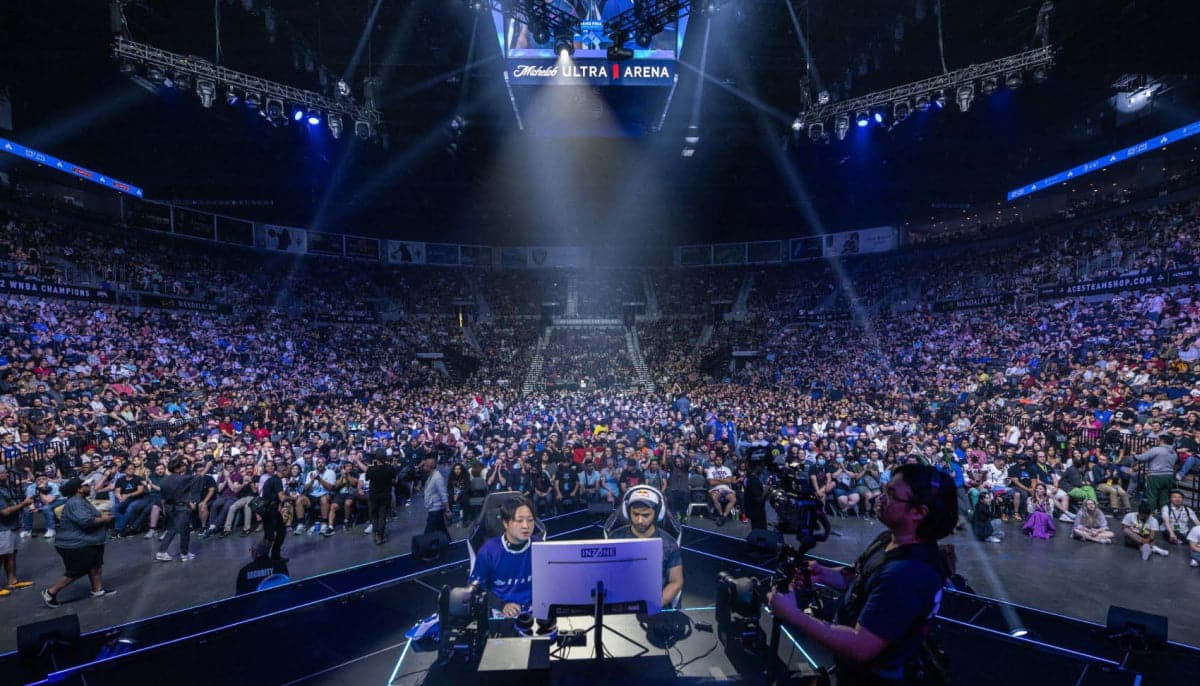
Image credit: EVO Fighting games have been around since the late 90s, with tournaments following shortly. Like other esports scenes, this one is undergoing constant evolution. Fighting game tournaments are also unique in that, unlike other esports such as VALORANT or League of Legends, every tournament features a collection of games rather than a single title.
However, this also creates a division in the community, with other players strongly preferring one game over the other. Discussions on Twitter have repeatedly proven that members of the Fighting Game Community (FGC) can never be satisfied.
But in recent years, it seems that major fighting game developers have been choosing a specific gameplay pace that’s dividing the community even further . But in my opinion, it might be for the better.
Yes, it’s true that fighting games nowadays are getting slower compared to their earlier counterparts. Games like Marvel vs. Capcom 2 and Super Smash Bros. Melee are generally considered fast by the community. Even the recently released Avatar Legends: The Fighting Game can be considered fast compared to the fighting games currently out.
To be clear, I’m not talking about how quickly matches end. I’m focusing more on the pace of the game. Marvel vs. Capcom 2 usually had people flying around with unpredictable movement. This is also the case with the next game in the series, Ultimate Marvel vs. Capcom 3. However, it’s pretty rare to see a fighting game nowadays with a similar pace. It seems that developers have moved away from this formula and introduced a much slower one.
I sincerely believe that it’s because developers want to create an “esports-friendly” game. The games I mentioned above are pretty hard to understand if you’re not in the know about those games. Even high-level matches can be confusing to those who have played the game for quite some time.
However, slowing the tempo of fighting games also introduces a fundamental problem to their gameplay.
You ever reach flow state in a fighting game? I'll assume you have, now picture that flow state amplified times 3. You are just aware of everything being thrown at you at speeds faster than the average fighter. It's a beautiful drug I play all fighters, but I love the fast ones https://t.co/NhDRSwb9qS
Let’s first start with the cons. As FGC top player Kenneth “K-Brad” Bradley highlighted in his Twitter post, he’s saying that a fast fighting game gives the player a great sense of satisfaction if they can deal with all the moves, special moves, and system mechanics that are being thrown at them.
I can agree with this, as playing fast-paced fighting games often doesn’t give you time to think about how you’re going to defend or structure your offense. Most of the time, you’re going to operate on pure instinct, trying not to get hit and be opened up for big damage.
With t…