
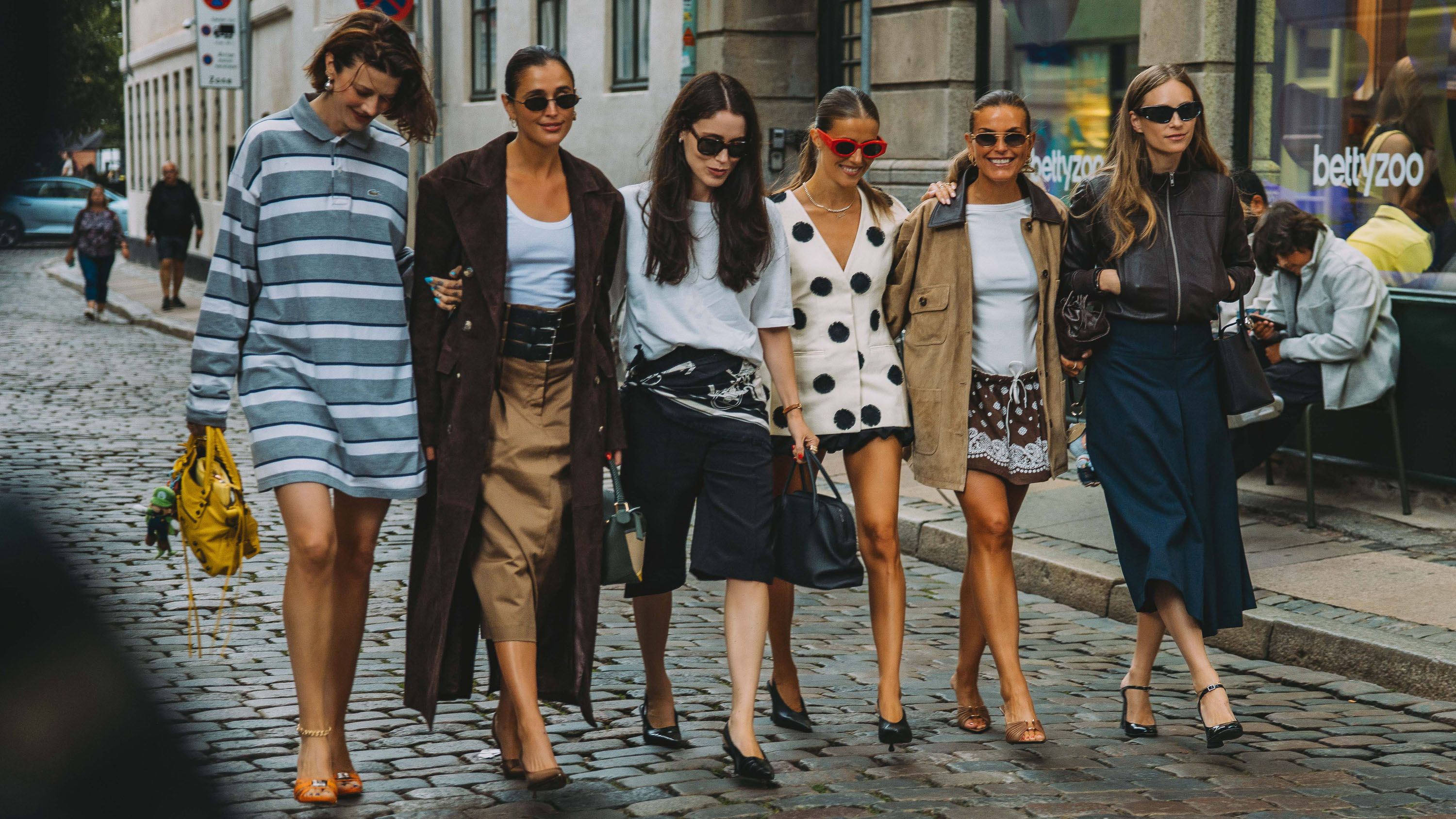
Photo: Acielle/ Style Du Monde Save Story Save this story Save Story Save this story Next week, fashion will take over Copenhagen once again, with shows spanning from the Opera Park to the Statens Museum for Kunst, spilling out into cobbled streets and waterside runways in between. The Spring/Summer 2027 season will be the biggest Copenhagen Fashion Week (CPHFW) yet — marking the 20th anniversary of fashion’s unofficial fifth city.
Nordic talent — including Henrik Vibskov, Baum und Pferdgarten, and Rotate — remains front and center, after a rocky few years that saw heavyweights Ganni and Cecilie Bahnsen decamp to Paris, and industry favorites Saks Potts and (Di)vision close their doors. In response, CPHFW has invited the world in. New York label Collina Strada will show on Thursday, in the first seasonal guest slot, supported by The Climate Pledge, of which it’s a signatory. Then there’s Lagos Fashion Week’s Iamisigo , which will make a guest appearance at CPHFW for the third season running, and Milan-based brand Institution, which is joining as a one-off, on the heels of its Zalando Visionary Award win.
“Over the years, Copenhagen Fashion Week has gone from a regional industry event where the shows were front and center, to an international platform with very clear values and a clear direction for how we see the future of fashion shaping up,” says CPHFW CEO of the week, Cecilie Thorsmark. “Our focus on sustainability seems to have resonated with brands that either haven’t done a show before, or haven’t previously considered Copenhagen. It’s a great opportunity for exchange.”
Lagos Fashion Week’s Iamisigo, which will make a guest appearance at CPHFW for the third season running.
SS27 is due to be a bumper season. Jewelry giant Pandora is supporting the 20th-anniversary gala at Danish Royal Opera, as well as the New Talent program, providing jewelry for Taus and Anne-Sofie Madsen, who are about to graduate from the scheme. Footwear brands are also out in force: Paolina Russo is collaborating with Ecco, and Stem with Camper. Stem is also returning to its hit 2022 collaboration with Ganni, this time reinterpreting Ganni’s deadstock material into new looks — Stem’s first venture into synthetic fabrics, with its signature zero-waste twist. Finnish brand Almada Label will make its CPHFW debut, while Mfpen, Stine Goya and Alectra Rothschild / Masculina return to the show schedule after brief breaks.
The minimum sustainability standards CPHFW introduced in 2020 were ahead of their time, forcing brands to tackle their environmental and social impacts in order to continue showing on schedule. But in 2025, they hit a snag in the road. A greenwashing allegation from greenwashing specialist Tanja Gotthardsen and Danish consumer organization Tænk forced CPHFW to defend its approach to Danish authorities, at the same time as the broader industry started to roll back its sustainability commitments. Where CPHFW hoped to be a leader, it remains a lone wolf, at least among the major fashion capitals. Ahead of the shows, I spoke to Thorsmark about what the process has taught her, and how she plans to evolve CPHFW’s approach for the next 20 years.
Vogue : Firstly, congratulations on 20 years. How would you define this moment for CPHFW?
Thank you. Of course, 20 years is a big milestone in itself, but it’s also an opportunity to reflect on where our industry stands today and how the role of our fashion week is evolving. CPHFW has gone from being a regi…