
Olivia Richman is a seasoned esports journalist who has worked with Inven Global, Esports Illustrated, Esports.gg, and more. As an editor and writer at Esports Insider, she loves telling unique esports stories, especially within the FGC. When not working and gaming, Olivia loves collecting Kirby plush, eating sushi, and driving her cars at the track.
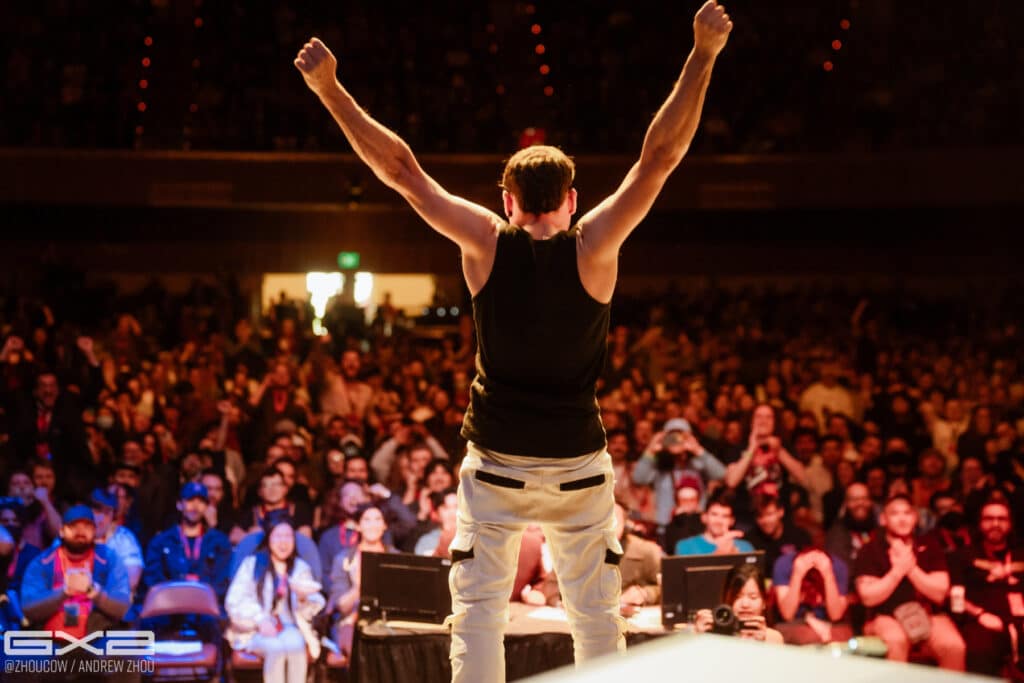
Image Credit: GENESIS Esports is going in the wrong direction, if you ask me. And nobody has asked me. But all this focus on bravado, mainstream appeal, and flashiness won’t spell long-term success . To make esports viable, we need community .
Wouter Sleijffers was the CEO of Fnatic from 2015 to 2019. He was there for many iconic moments for the team, including making it to the finals of the League of Legends World Championship in 2018. Despite Fnatic being pretty successful at tournaments during that time, Sleijffers told Esports Now that it’s not about that.
In fact, even “top four is good enough,” he said. Winning constantly could even harm an esports organization in the long run. This may sound counterproductive, since you’d think orgs just want the prize money. But Wouter emphasized it’s not about that. It’s about keeping star players. Star players who would be poached if you get win after win after win. You’re better off being sorta good and having these well-known players that fans latch onto.
“In competition, being number one may not yield as much result as just being popular or a good personality,” Sleijffers said.
Let me be clear: Sleijffers never said that esports needs to be solely grassroots or that trying to appeal to newcomers is cringe. I’ve had this debate with co-workers before. I’m from the FGC, where anything not seen as authentic is automatically attacked and hated. For this reason, I’ve written a few pieces arguing that the kind of passion you see in the FGC is the key to esports’ success . But I know money is needed, too, of course.
However, I don’t think any money will do. Desperate cash grabs and unrelated sponsorships are not going to lead to long-term community building or ongoing revenue streams. The Esports World Cup has been heavily criticized for its “cringe” attempt at making esports seem bigger than it is. The opening ceremony has been an ongoing discussion of over-the-top bravado rather than focusing on what esports is really about. Our article notes that it’s not really meant for existing fans but to appeal to the random Europeans who attend out of boredom and curiosity. It’s for the sponsors who want to see something big that they understand, like a concert.
I get that. But I don’t think this leads to long-term success. At the time, I had wondered: “If they wanted a DJ so bad, why didn’t they throw in some remixes of songs from the participating esports titles? Why did they create a song about the competition, like League of Legends does?”
And that’s what I’m getting at. You can connect the hardcore, judge-y esports fans with the “normies” in a way that appeals to everyone. Bring the outsiders into the fold by giving them something fun and exciting, sure, but also give them something that helps them understand the world they’ve entered. That way, they can feel a connection to esports, not just the DJ set. Meanwhile, esports fans won’t feel ignored and critical.
It can be a tricky balance…