
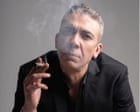
Diaa al-Awadi, who died suddenly at 47 in April, lost his university post and had his clinics shut down for promoting unscientific views, yet he drew an audience for his ‘al-Tayyibat’ dietary system across the Arab world through videos, virtual consultations and Facebook groups. Photograph: Diaa al-Awadi/Facebook View image in fullscreen Diaa al-Awadi, who died suddenly at 47 in April, lost his university post and had his clinics shut down for promoting unscientific views, yet he drew an audience for his ‘al-Tayyibat’ dietary system across the Arab world through videos, virtual consultations and Facebook groups. Photograph: Diaa al-Awadi/Facebook Global development The dead doctor and a dicey diet: how a ban made a hero of Egypt’s rogue medic Diaa al-Awadi claimed insulin was a fraud, smoking was safe and chemotherapy useless. But despite losing his medical licence and dying at early age, his reach continues to grow
About this content Mariam Ehab Fri 31 Jul 2026 12.00 CEST Share Prefer the Guardian on Google I t had been a struggle with conventional treatments. For Fatima Adel, a 50-year-old author living in Cairo’s upmarket Sheikh Zayed neighbourhood, the misdiagnoses and medical errors she had experienced had began to erode her confidence in doctors.
But when the videos of Diaa al-Awadi began circulating – an Egyptian doctor who spoke plainly, invoked the Qur’an, and told his audience that their bodies could heal themselves if they changed their diet – Adel, like tens of thousands of other Egyptians, listened.
After years of not getting anywhere with easing her type 2 diabetes, she began following al-Awadi’s system in early 2024: stopping her medication and altering her diet. The first few months brought what felt like an improvement in her health.
Then the deterioration began. “I felt fatigue I couldn’t explain, but didn’t connect it to [al-Awadi’s] system because people around me said I was looking healthier and I believed them,” she said. After a few months, she had tingling and numbness in her feet. By the time she got a diagnosis in May 2025, she had developed diabetic foot – a preventable complication caused by uncontrolled blood sugar and poor circulation.
“I didn’t connect it to the system at first,” said Adel. “And then it was too late.”
Her big toe is now swollen to several times its normal size, the skin darkened and taut, and she has to have infected tissue periodically removed, to prevent the infection from spreading further into the now-decaying bone. It is an alternative procedure to the amputation that some doctors have recommended.
Al-Awadi’s death in a Dubai hotel in April has amplified his influence rather than ended it. Within hours, his followers spewed conspiracy theories across social media, saying he had been silenced. Thousands turned out for his funeral in Cairo. Egypt’s media regulator ordered all platforms to stop circulating his content but the ban on a dead man’s words made them more sought-after than ever.
Worldwide, cases of misplaced faith in alternative healers are growing. The World Health Organization (WHO) has made tackling health misinformation and disinformation a priority , noting that fake news boosts opposition to vaccinations, delays care and has negative effects on large numbers of patients. A 2024 report by the healthcare firm Tebra found 45% of medical advice on TikTok to be false or misleading, and 67% of content on alternative remedies likely to be false or misleading.
View imag…