
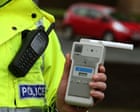
An estimated 25-30% of collisions involve criminal driving, such as drink or drug use or speeding. Photograph: Andrew Milligan/PA View image in fullscreen An estimated 25-30% of collisions involve criminal driving, such as drink or drug use or speeding. Photograph: Andrew Milligan/PA UK criminal justice Victims of road crime feel ‘forgotten by system’, official review finds Many of those affected in England and Wales think offences are not treated with the seriousness they deserve, says commissioner
Prefer the Guardian on Google Bereaved families or seriously injured victims of road crime feel “forgotten by the system” with offences not treated with the seriousness they deserve, an official review has found.
The victims’ commissioner for England and Wales found that many of the thousands afflicted each year by criminal driving felt that “the harm they had suffered mattered less” than that from other serious crimes.
Almost 30,000 people were killed or seriously injured on roads in England and Wales in the year to June 2025, including 1,579 fatalities – more than three times the number of people killed in homicides.
An estimated 25-30% of collisions involve criminal driving, such as drink or drug use or speeding.
The report, based on interviews with injured victims and bereaved families, found many faced long waits without support while police determined whether a collision would be treated as a crime.
They faced “lengthy police investigations, poor communication, court delays and difficulties accessing support” after life-changing criminal collisions, it said.
Some victims told researchers they had waited more than two months for witness statements to be taken. Many were left dissatisfied with eventual sentences, particularly when offenders were not jailed after a road death.
The victims’ commissioner, Claire Waxman, said: “Behind every road death or serious injury is a victim, a grieving family and lives changed for ever. Yet too many victims told me they felt road crime was not treated with the seriousness it deserved and that the harm they had suffered mattered less than other serious crimes.
“Many spoke of lengthy investigations, poor communication, repeated delays and a lack of support at the very time they needed it most. Some were forced to fight for basic information, answers and recognition while trying to cope with unimaginable loss and trauma.”
In her report, she said victims had repeatedly said that “they feel forgotten by the system that is meant to support them”. She said that where victims had received informed support from dedicated officials and specialist charities, “the difference was profound”.
Waxman urged the government to ensure stronger national standards, oversight and accountability for road traffic collision investigations, and more consistent training for police in dealing with trauma, among other recommendations to improve investigations and strengthen support for victims.
The road safety charity Brake said it hoped the report could be a catalyst for change. Ross Moorlock, the chief executive, said: “We bear witness every day to the devastation victims experience in the aftermath of a crash, when too often the criminal justice process adds further trauma.
Free newsletter | Every weekday Sign up to First Edition
Our morning email breaks down the key stories of the day, telling you what’s happening and why it matters
“This report highlights what we have known for a long time – that road crime is…