
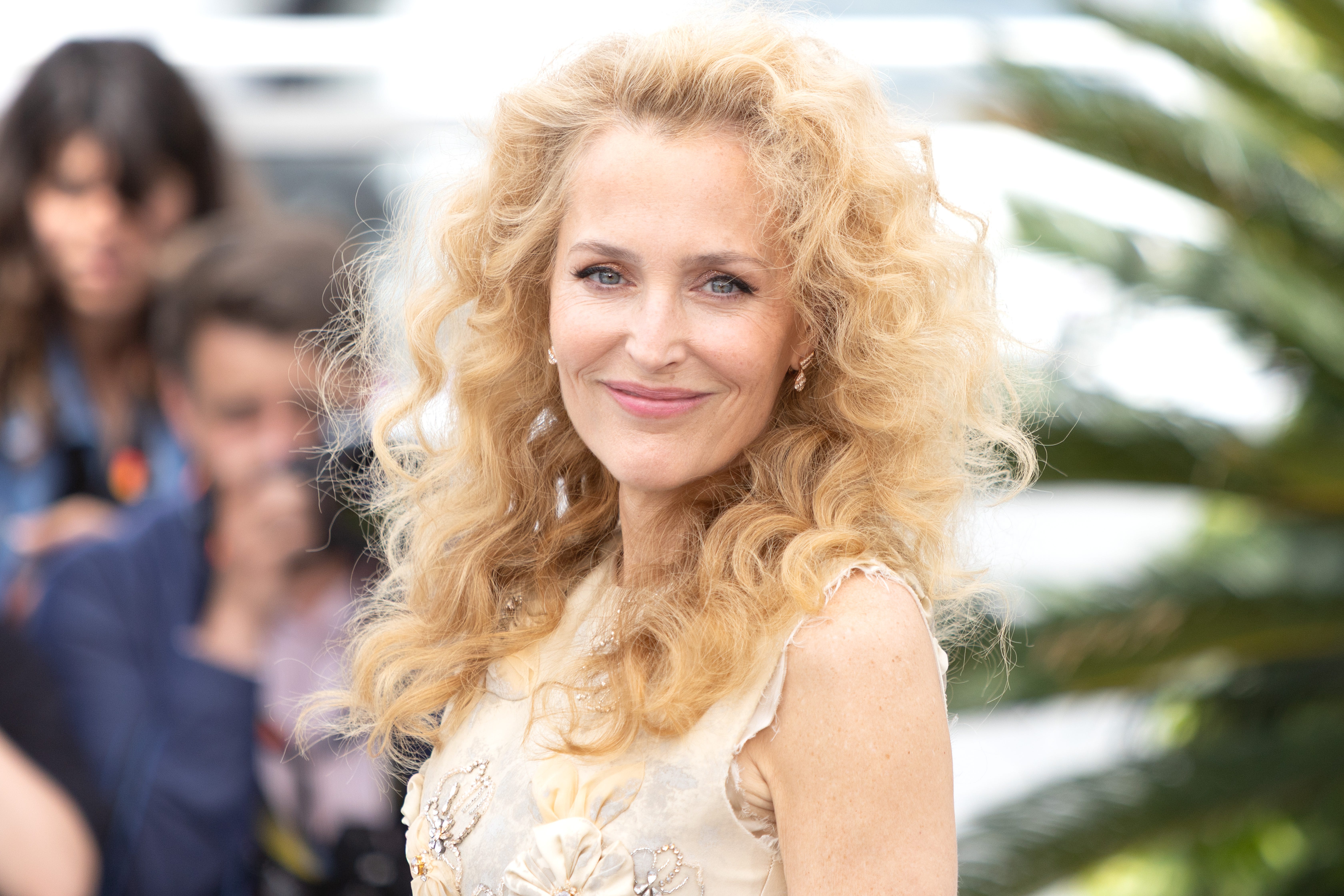
From 2A to 4C, top professionals share everything to know about protecting mature hair
Every product on this page was chosen by a Harper's BAZAAR editor. We may earn commission on some of the items you choose to buy.
If your curls suddenly look or feel different than they did a decade or two ago—they probably are different. For those over 50 with curly hair, aging can contribute to changes in its overall definition and internal structure. “Most people are surprised to find out that curl pattern isn’t fixed—it’s actually rooted in biology,” celebrity colorist and hair expert Kadi Lee tells Bazaar . “It comes down to the shape of the hair follicle, which evolves with age, often becoming rounder and less asymmetrical, so tight coils may loosen into softer curls or waves over time.”
Like most transitions in beauty, changes to curly and coily hair are largely individual. However, experts say hormonal shifts, particularly during perimenopause and menopause, can affect curly and coily hair growth cycles, strand diameter, and overall density. “As we age, hair often becomes brittle, finer, drier, and more fragile because the scalp produces less natural oil or sebum,” explains Sharley Viola , associate director of brand marketing and education at Curlsmith. “Some people experience their curl becoming looser, while others may notice their hair becoming coarser, frizzier, or more textured over time.”
Viola also notes that women 50 and older should prioritize incorporating lightweight yet deeply nourishing products into their regular routines, including gentle, scalp-revitalizing shampoos, hydrating conditioners, rich leave-ins, and deep-conditioning treatments. These staples not only make hair easier to detangle but also help minimize strand fragility while offsetting the hair’s natural slowing of oil production.
“The goal is maximum protection with minimum weight,” says Ni’Kita Wilson , vice president of product development at Pattern Beauty. In addition to keeping a stock of moisturizing essentials on hand, professionals advise overhauling your nighttime routine to protect delicate curls while you sleep. “Protecting the strands you have from unnecessary friction and breakage becomes especially important,” adds Wilson. Incorporating silk or satin pillowcases, hair scarves, or bonnets can reduce unnecessary friction that can contribute to breakage.
If you prefer to alternate between natural curls and straight looks, heat protection is non-negotiable to preserve spring and definition, especially for the integrity of mature hair. Similarly, experts say that coloring your hair consistently can contribute to a weaker curl pattern in mature hair, particularly if it involves chemical processing such as permanent color, bleaching, or highlighting. While walking away from hair dye or heat styling entirely isn’t a must, it is important to approach each with intention.
“Color processing opens the cuticle and alters the internal structure to deposit pigment, disrupting the same bonds responsible for curl shape. The takeaway isn’t to avoid color; it’s that aging curly hair needs more support, deeper conditioning, and more time between processing to protect a curl pattern that’s already fragile,” adds Lee. “Heat should be used sparingly, if at all, since thinner strands from shrinking follicles have less structural integrity to spare.”
Wilson agrees, noting that choosing the right tools, like Pattern Beauty’s Vibrating Flat Iron , that provide your desi…