
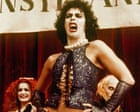
Tim Curry in The Rocky Horror Picture Show. Photograph: 20th Century Fox/Shutterstock View image in fullscreen Tim Curry in The Rocky Horror Picture Show. Photograph: 20th Century Fox/Shutterstock Film Farewell, Dr Frank-N-Furter: why Tim Curry’s Rocky Horror Show will go on Peter Bradshaw The versatile stage performer will always be remembered for his defining film role in The Rocky Horror Picture Show, which turned him into an icon of 70s underground cinema and proto-punk Tim Curry, star of The Rocky Horror Picture Show and Stephen King’s It, dies aged 80 Tim Curry on sexuality, surviving a stroke and 50 years of stardom Clowns, corsets and kings – a life in pictures
O ver the past decade, the issues of trans identity and gender fluidity couldn’t have been more contemporary, and Tim Curry was an integral part of what might be called their pre-history in pop culture. He was an icon – though maybe now a dimly remembered icon – of the 70s underground cinema and proto-punk.
Read more Curry was a good-looking actor with a tremendous speaking and singing voice, and a versatile performer – he got Tony nominations for his varied stage work on Broadway as Salieri in Amadeus, Alan Swann in My Favorite Year (the part Peter O’Toole played on screen) and as King Arthur in Monty Python’s Spamalot . But it was his strange destiny to be remembered for one role: at once indelibly prominent and weirdly peripheral. He was the sensational Dr Frank-N-Furter in the thoroughly outrageous Rocky Horror Picture Show (1975), the screen version of the 1973 stage show.
This was the drop-dead gorgeous “sweet transvestite from Transsexual, Transylvania” in mascara and fish-nets, a vampiric sex outlaw who challenges the dull complacency of the timid American teen couple, Janet and Brad, played by Susan Sarandon and Barry Bostwick. These hapless straights had got lost and found themselves in his exotic domain. Curry himself said that the movie stymied his film career for many years, because of typecasting in a role that could not really ever be repeated, and in fact a great deal of his income from screen work from then on derived from voiceovers. But he also hinted that it was a kind of pension, perhaps because of royalties from the million-selling soundtrack LP.
View image in fullscreen Stage star … David Hyde Pierce and Tim Curry (right) in Monty Python’s Spamalot at the Shubert theatre, New York, in 2005. Photograph: Evan Agostini/Getty Images Curry defined the role, defined the movie, and helped define other things besides. Without Curry and Rocky Horror, there might be no Vivienne Westwood Sex boutique and no punk. He was a part of the sexual peacock movement that was upending the dullness and drear of the 70s. Curry swam briefly alongside Bolan and Bowie on a tide of glam.
There was something else. Curry described the awfulness of sitting with 20th Century Fox executives at early private showings of Rocky Horror and hearing the deathly silence that reigned in the screening room afterwards. But it was a smart young Fox publicity director, Tim Deegan, who realised what a draw Tim Curry and Rocky Horror could be in the burgeoning “midnight” circuit in New York. He booked the movie in, and its growing word-of-mouth success and audience participation rituals virtually created the underground cult film scene. The stylishly sexual Tim Curry drew in the crowds and created a market for movies such as Alejandro Jodorowsky’s El Topo, George Romero’s Night of the Livi…