
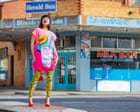
Close dialogue 1 / 12 Next image Previous image Toggle caption Print subscriptions Search jobs Sign in Eur Europe edition UK edition US edition Australia edition International edition The Guardian - Back to home The Guardian News Opinion Sport Culture Lifestyle Show more Hide expanded menu News View all News World news UK news Climate crisis Ukraine Environment Science Global development Football Tech Business Obituaries Opinion View all Opinion The Guardian view Columnists Cartoons Opinion videos Letters Sport View all Sport Football Cricket Rugby union Tennis Cycling F1 Golf US sports Culture View all Culture Books Music TV & radio Art & design Film Games Classical Stage Lifestyle View all Lifestyle Fashion Food Recipes Love & sex Health & fitness Home & garden Women Men Family Travel Money Search input google-search Search Support us Print subscriptions Search jobs Holidays Digital Archive Guardian Licensing Live events About Us The Guardian app Video Podcasts Pictures Newsletters Today's paper Inside the Guardian Guardian Weekly Crosswords Wordiply Corrections Tips Search input google-search Search Search jobs Holidays Digital Archive Guardian Licensing Live events About Us View image in fullscreen Big things and pink poodles: Frida Las Vegas’s tour of Australian kitsch – in pictures Stavroula Adameitis, AKA Frida Las Vegas, is an Adelaide-based artist and designer known for her camp, pop art aesthetic. A typical work might feature palm trees, poodles, Greek pillars or bin chickens (Australian white ibises), sometimes all at once. Does it veer into kitsch? ‘I hope so,’ she says. ‘Nostalgia, colour and fun can be very energising, and the feeling we get from these objects in popular culture binds us together.’
The term kitsch comes from the German verkitschen, meaning ‘to cheapen’. In the 19th century it was deployed by elites to look down on the supposedly trashy vulgarity of art for the masses. ‘The idea still carries negative connotations,’ says Adameitis. In her new book, she invites us to stop sneering and start relishing Australia’s unparalleled genius for kitsch: ‘Good kitsch laughs with you not at you. It brings people along for the ride.’