
Sustainability Two U.S. Ports Explore Nuclear Power For Next-Gen Commercial Shipping By Noël Fletcher ,
Forbes contributors publish independent expert analyses and insights. Noel Fletcher is a reporter covering renewable energy and wildlife Follow Author Aug 30, 2026, 09:56pm EDT --:-- / --:-- This voice experience is generated by AI. Learn more . This voice experience is generated by AI. Learn more . Summary The U.S. government is advancing nuclear energy applications for commercial maritime operations, signing agreements with the Ports of Long Beach and Corpus Christi. These partnerships, led by the Maritime Administration, aim to integrate Small Modular Reactors (SMRs), advanced vessel propulsion, and resilient port microgrids. Transportation Secretary Sean Duffy stated SMRs could reshape the maritime sector, lower shipping costs, and bolster supply chains. Corpus Christi, a major petroleum exporter, and Long Beach, a vital global trade hub, are exploring these innovations to enhance resilience against extreme weather and grid disruptions, while also training a new generation of mariners. This federal push seeks to develop American-made SMRs and foster public acceptance for nuclear power in commercial shipping.
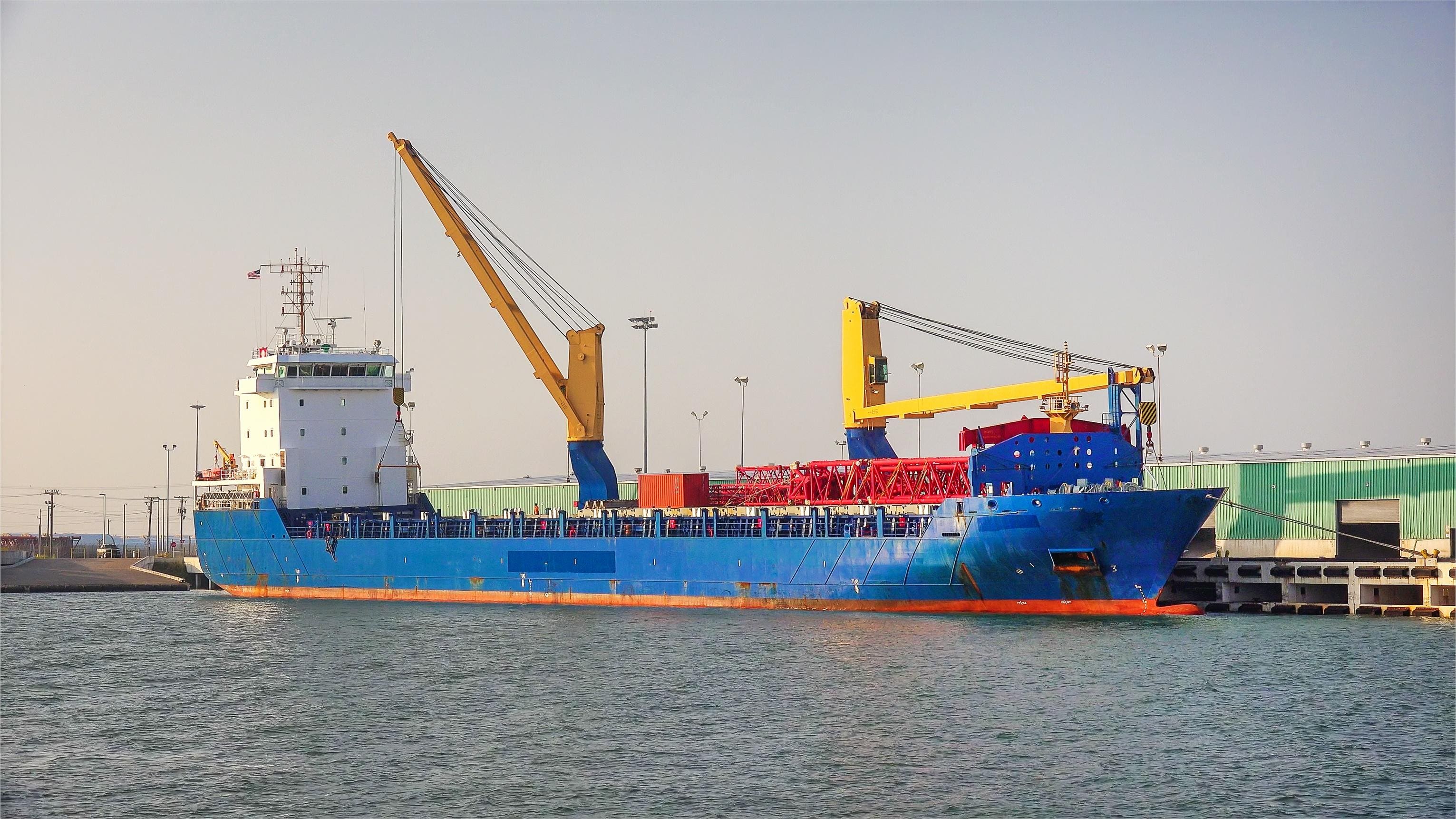
Cargo ship docked in Corpus Christi harbor in Texas. getty The U.S. government is pushing new strategic applications of nuclear energy to power commercial maritime operations at the ports of Long Beach and Corpus Christi.
The focus of two recent partnership agreements between the ports and the U.S. Department of Transportation both call for exploring the use of advanced vessel propulsion systems, small modular reactors (SMRs) and port microgrids.
Transportation Secretary Sean Duffy announced the Maritime Administration’s pact with the Port of Corpus Christi on Aug. 19 in the latest such move.
“Small modular reactors have the potential to reshape America’s maritime sector, lower shipping costs, and bolster our supply chains,” Duffy noted .
Corpus Christi was selected due to its key role as the largest U.S. port for petroleum exports as well as its shipments of liquefied natural gas.
Concept of a small modular nuclear reactor power plant on a sunny day. getty Maritime Administrator Stephen Carmel said integrating SMRs at the Port of Corpus Christi is meant to ensure “our critical Gulf Coast maritime supply chains remain resilient against any contingency, from extreme weather to power grid disruptions, while training the next generation of high-skilled American mariners.”
Each port now has a Memorandum of Cooperation with MARAD to explore the use of nuclear energy in SMR technologies, resilient microgrids, shoreside power architecture and infrastructure for emerging vessel propulsion applications.
In 2024, the Port of Corpus Christi’s top export commodities were mineral fuels ($80 billion), organic chemicals ($1.2 billion) and cereals ($619.5 million), according to the state Comptroller’s office . Its top imports were mineral fuels ($4.8 billion), ores and slag ($301.6 million) and machinery/equipment ($275.6 million).
China's largest shipping line loaded with shipping containers in the Port Of Long Beach. Getty Images MARAD announced its agreement July 22 with the Port of Long Beach. At that time, Carmel described the pact as introducing “cutting-edge” SMR into active testing.
Port of Long Beach CEO Dr. Noel Hacegaba said this first of-its-kind agreement with MARAD would enable the port to develop next-generation…