
Sustainability Invasive Species Cost Billions. Can Online Shoppers Cut The Losses? By Noël Fletcher ,
Forbes contributors publish independent expert analyses and insights. Noel Fletcher is a reporter covering renewable energy and wildlife Follow Author Aug 31, 2026, 10:44pm EDT Aug 31, 2026, 10:51pm EDT --:-- / --:-- This voice experience is generated by AI. Learn more . This voice experience is generated by AI. Learn more . Summary Invasive species inflict a staggering $138 billion in U.S. economic losses annually, posing severe threats to ecosystems and economies. The proliferation of online sales of aquatic plants and animals, often from outside the Great Lakes region, exacerbates this issue by facilitating the interstate spread of harmful non-native species like Asian clams and red swamp crayfish. To counter this, the Great Lakes Commission has launched AquaSale, a new online database. This tool centralizes state and federal regulations, empowering e-commerce buyers and sellers across all 50 states to identify and avoid prohibited species. AquaSale aims to prevent further ecological damage and economic burdens, emphasizing proactive management against these costly invaders.
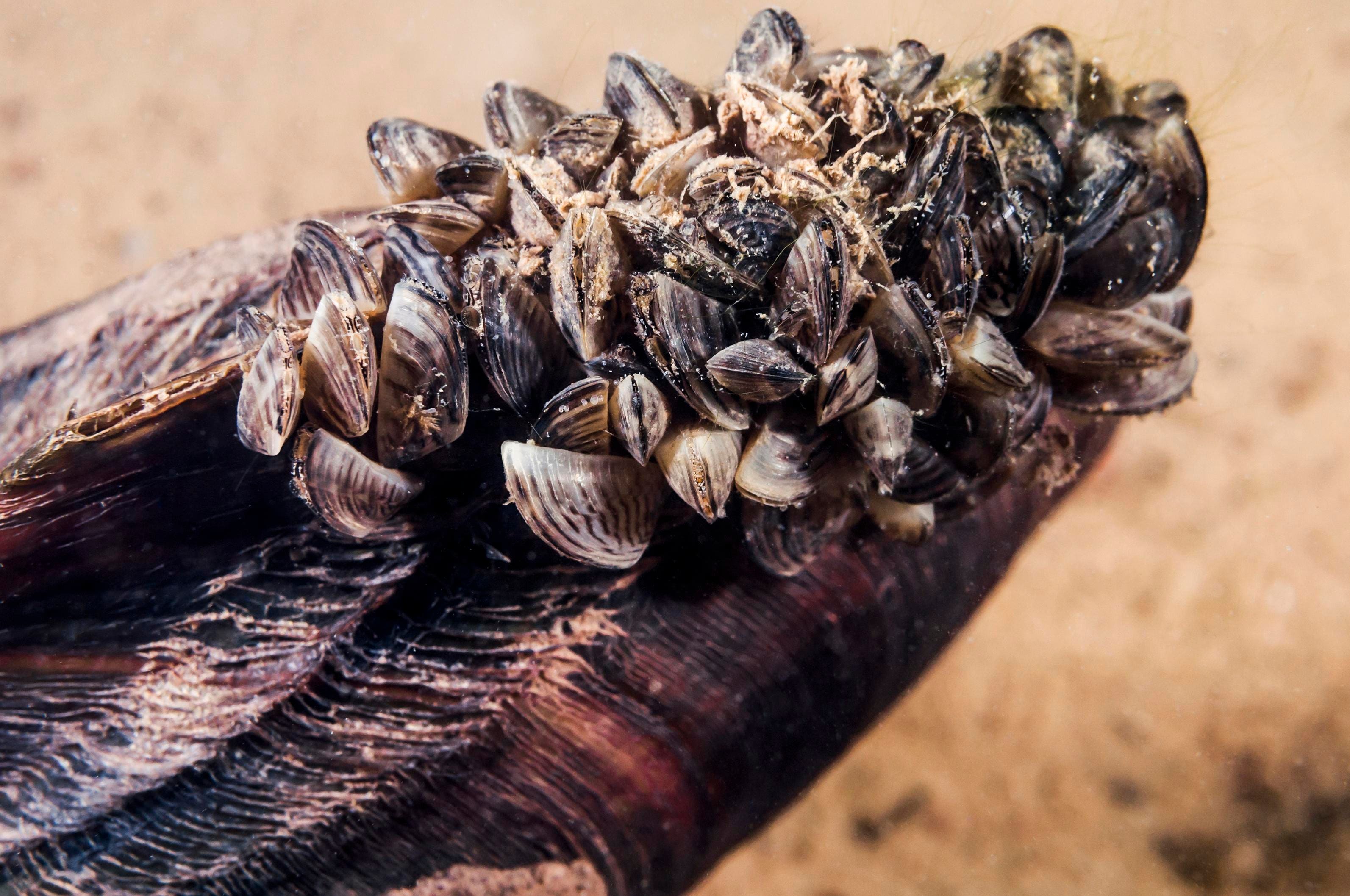
Small invasive zebra mussels closed the opening of a native South Carolina mussel. getty With invasive species causing $138 billion in U.S. economic losses yearly, a new online database from the Great Lakes Commission aims to help e-commerce buyers and sellers in 50 states identify non-native aquatic plants and animals to avoid.
A lake trout swims off Isle Royale, Mich., in Lake Superior. Great Lakes Fishery Commission The goal of the AquaSale database is to provide a central repository of information about varying state and federal regulations. It assists online retailers and buyers in avoiding shipping invasive species across interstates, and introducing associated threats to freshwater ecosystems and damaging state economies.
Invasive Malaysian Trumpet Snails ferociously feeding on soft algae and other edible matter in an aquarium. getty “The growing popularity of online sales of plants and animals has created new challenges in preventing the spread of harmful invasive species to the Great Lakes,” noted Timothy Bruno, Great Lakes Program coordinator at the Pennsylvania Department of Environmental Protection. “Many invasive plants and animals can be purchased online with just a few clicks.”
The GLC is spearheading efforts to protect the environment and economy of the Great Lakes region, especially from aquatic invasive species bought online and improperly released when no longer needed.
Bruno thanked the National Sea Grant Law Center for providing legal help to ensure regulations are understandable. The center also hosts the database and will maintain it with current invasive species regulations.
Over 80% of the sellers of aquatic invasive species are located outside the Great Lakes region, according to tracking information by the Great Lakes Detector of Invasive Aquatics in Trade ( GLDIATR ).
Close-up view of invasive freshwater Ambulia plants used in aquariums. getty Sales are typically made using eBay, Bing, Amazon and Etsy search engines. Common invasive species bought online include Asian clams, Malaysian trumpet snails, Red Swamp Crayfish and a wide variety of plants such as water lettuce and Indian hygrophila.
AquaSale was made possible by a grant agreement between the GLC and the U.S. Fish and Wildlife Service, a bureau of the U.S. Department o…